



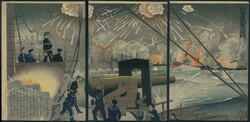
consisting of three sheets combined to form a complete scene. It depicts the Japanese warship Saikyo Maru engaging the Qing Beiyang Fleet’s ironclads Dingyuan and Zhenyuan during the Battle of Pungdo in the First Sino-Japanese War. The print vividly portrays the naval combat with dramatic intensity and visual impact, reflecting the ukiyo-e style of depicting modern warfare. The work is well-preserved and holds historical, artistic, and collectible value.
![Auktion]](/de/images/philasearch/ico_people.png "Auktion")
(ca. 329 EUR)
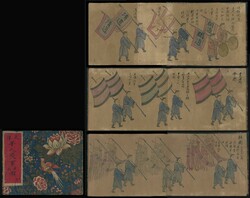
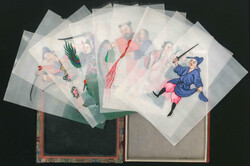
is a pictorial booklet depicting a continuous series of scenes illustrating the funeral procession of ordinary citizens in Tianjin during the late Qing to early Republican period. The artwork features detailed and dynamic depictions of the entire ceremony, including the departure of the coffin, the procession, musicians, and accompanying family members. It offers valuable insight into the folk customs and social practices of the time.
(ca. 438 EUR)
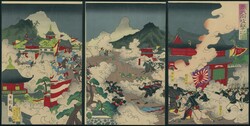
illustrating the civil war between the forces of the new Meiji government and the old Tokugawa shogunate from 1868 to 1869. The print references new government commanders, including Vice-Admiral Nozu and Vice-Admiral Katsura, who played significant roles in the Tohoku Campaign. The Boshin War began with the Battle of Toba–Fushimi and concluded with the victory of the Meiji government and the establishment of the Meiji era. This work was issued in February of the first year of Meiji by Okuda Chubei, in Asakusa, Shimoheiemon-cho 2. The print is well-preserved and holds important historical, artistic, and collectible value.
(ca. 329 EUR)
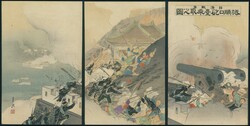
consisting of three sheets combined to form a complete scene, The artwork vividly portrays the Japanese assault on the forts at Port Arthur, reflecting the Meiji-period ukiyo-e style of depicting modern warfare. The triptych is well-preserved and holds significant historical, artistic, and collectible value.
(ca. 329 EUR)
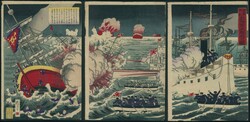
The artwork vividly portrays the intense naval engagement between the Qing Beiyang Fleet and the Japanese Combined Fleet. The Battle of the Yellow Sea, fought on September 17, 1894, was the largest naval engagement of the war. The print depicts warships from both sides, reflecting the fierce combat. The Beiyang Fleet suffered heavy losses, with several ships sunk and officers such as Admiral Ding Ruchang and Dingyuan’s commander Deng Shichang killed in action. Following the battle, control of the Yellow Sea passed to the Japanese fleet, decisively impacting the later stages of the war. The print is well-preserved and holds significant historical and collectible value.
(ca. 329 EUR)
(ca. 329 EUR)
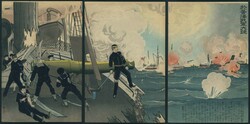
consisting of three sheets that form a complete triptych. The artwork was created to report current events and celebrate Japanese military victories. The dramatic scenes include the Battle of the Yellow Sea, marked with the inscription “Victory in the Yellow Sea,” and the struggle of the battleships Akagi and Hiei. Some works are attributed to the renowned artist Kobayashi Kiyochika. Sensō-e often incorporate imaginative or exaggerated elements to enhance drama and nationalist sentiment. The triptych is well-preserved and holds significant historical, artistic, and collectible value.
(ca. 329 EUR)
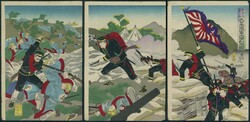
It depicts the Japanese army’s victory at the Battle of A-san during the early stages of the First Sino-Japanese War, securing Japan’s strategic position in Korea. The print is well-preserved and holds historical, artistic, and collectible value.
(ca. 329 EUR)
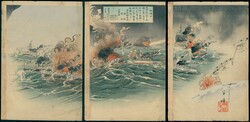
which can be assembled to form a complete scene. The artwork illustrates the Japanese Imperial Navy’s Kawakaze-class destroyer “Sazanami” engaging and sinking Russian warships during the battle. The “Sazanami” played an active role in the war, and the Battle of Port Arthur in 1904 was a key engagement of the conflict. The print is well-preserved and holds significant historical and artistic collectible value, reflecting the ukiyo-e style portrayal of modern warfare.
(ca. 329 EUR)
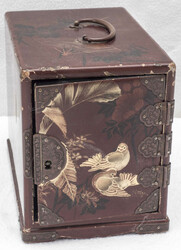
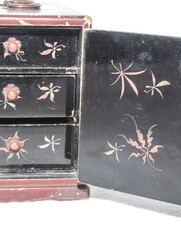
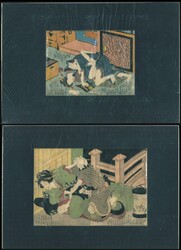
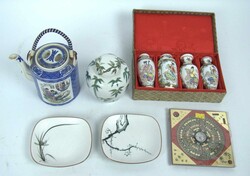
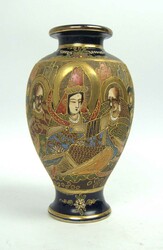
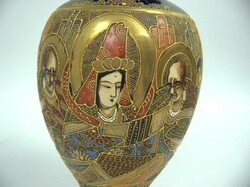
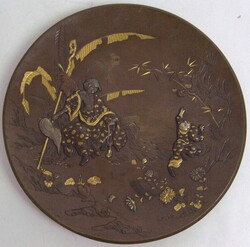
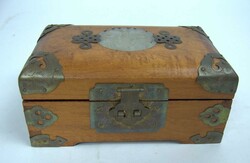
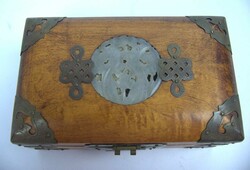
both frammed. Interesting.
(ca. 110 EUR)